NATALIE BOGDANOFF'S E-PORTFOLIO

Standard 10:
School Improvement
Effective educational leaders act as agents of continuous improvement to promote each student’s academic success and well-being.
Guiding Question 1:
How does an effective leader use methods of continuous improvement to achieve the vision, fulfill the mission, and promote the core values of the school?
Guiding Question 2:
How does an effective leader develop technically appropriate systems of data collection, management, analysis,and use, connecting as needed to the district office and external partners for support in planning, implementation, monitoring, feedback, and evaluation?
Guiding Question 3:
How does an effective leader develop and manage relationships with feeder and connecting schools for enrollment management and curricular and instructional articulation?
Guiding Question 4:
How did the leader implement the priorities of the school improvement plan and how was this implementation presented to key stakeholders within and outside the school to communicate changes and gather feedback?


How does an effective leader use methods of continuous improvement to achieve the vision, fulfill the mission, and promote the core values of the school?
As an effective leader, Natalie can meet regularly with the School Site Council, Leadership Team, Steering Committee and other relevant groups to review the school mission and vision and to open the meeting to suggestions for improvement that are in alignment with the school plan. An action plan is developed with responsibilities for follow-up assigned to specific individuals. Subsequent meeting examine progress made towards the goals and revisions are made as necessary. The action plan will serve as evidence that this element has been met.
-
Establishing a Culture of Continuous Improvement: Natalie aims to create an environment where continuous improvement is embraced and valued by everyone in the school community. This involves promoting a growth mindset, encouraging innovation, and fostering a sense of shared responsibility for improvement.
-
Setting Clear Goals: Natalie can work collaboratively with staff, students, and other stakeholders to set clear, measurable goals that align with the school's vision, mission, and core values. These goals serve as benchmarks for progress and provide a focus for improvement efforts.
-
Encouraging Reflection and Feedback: Natalie promotes a culture of reflection and continuous learning. She encourages regular self-assessment and reflection among staff members, allowing them to identify areas for growth and improvement. Feedback mechanisms, such as surveys are employed to gather input from students providing valuable insights for improvement efforts.
-
Supporting Professional Development: Natalie invests in professional development opportunities for herself and staff members to enhance their skills and knowledge. This includes workshops, training sessions, or coaching programs that align with the school's improvement goals.
-
Celebrating Success and Recognizing Efforts: As milestones are achieved and progress is made, Natalie celebrates success and recognizes the efforts of individuals and teams involved in the improvement process. This fosters a positive and motivating environment that encourages continued growth and engagement.
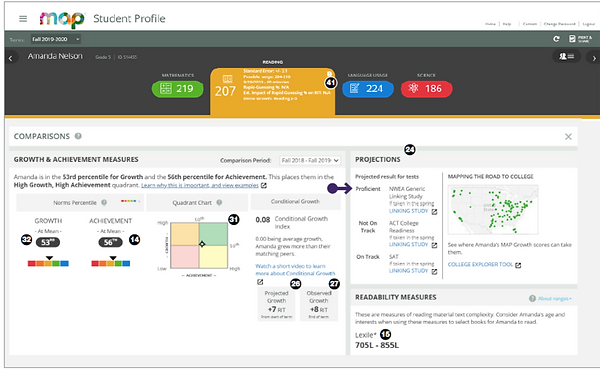
How does an effective leader develop technically appropriate systems of data collection, management, analysis,and use, connecting as needed to the district office and external partners for support in planning, implementation, monitoring, feedback, and evaluation?
As an effective leader, Natalie can consult with technology experts both inside and outside the school system to determine what type of technology is needed to support necessary data collection. Data may be collected in-house or collected by private companies and disaggregated to school’s specifications before being transferred to the school. The data is analyzed by the school leadership team, School Site Council, and all other teacher/parent groups. Natalie has the ability to act as a facilitator, guiding each group to make discoveries based on the data. This is evidence when:
-
Monitoring and Feedback: Natalie has established mechanisms for ongoing monitoring and feedback related to data collection and analysis. Regular check-ins with colleagues allow for the identification of challenges, and adjustments to implementation strategies.
-
Evaluation and Continuous Improvement: As an effective leader, Natalie knows how to incorporate evaluation into the data management process. The findings from evaluations inform continuous improvement efforts and help refine the systems as necessary.
How does an effective leader develop and manage relationships with feeder and connecting schools for enrollment management and curricular and instructional articulation?
As an effective leader, Natalie maintains a good working relationship with feeder and connecting schools. Regular articulation meetings are set up to discuss transfer of students and special circumstances for certain students. Care is taken to make sure the receiving school has as much information as possible on SpEd and ELL students so that proper placements are made. Students on special plan (504, behavior management, etc.) are identified and information shared on interventions. Incoming students are given tours of the campus before the end of the school year so that they have some idea of where they are headed after the break. This is evident by:
-
Establishing Communication Channels: Natalie knows to facilitate communication with other international schools to foster open dialogue. This also include creating online platforms for information sharing to ease the transition of new students.
-
Building Personal Connections: Natalie knows to actively builds personal relationships with the leaders and staff of other international schools. This involves attending events, visiting schools, and engaging in informal conversations to establish rapport and trust.
-
Sharing Information: Natalie knows that relevant information should be shared between schools. This includes being transparent with enrollment data, student profiles, and transition plans to facilitate the smooth transfer of students. It also involves sharing curricular information to ensure alignment with other IB, MYP, PYP schools.
How did the leader implement the priorities of the school improvement plan and how was this implementation presented to key stakeholders within and outside the school to communicate changes and gather feedback?
As an effective leader, Natalie gathers information from each stakeholder group in order to determine their priorities and attempts to balance all needs against the budget allocation. Once all ideas have been collected, costs of each item/activity/strategy are estimated and the ideas matched to the priorities on the school plan. Considered when making decisions are the feasibility of the ideas, and the availability of funds to implement. To implement priorities Natalie knows to do the following:
-
Planning for Implementation: Natalie develops a detailed implementation plan for the school improvement priorities outlined in the plan. This plan includes specific actions, timelines, responsible parties, and resources required for each priority.
-
Internal Communication: Natalie communicates the implementation plan to the school staff, ensuring that everyone is aware of their roles and responsibilities. This may involve holding staff meetings, sharing written materials, or conducting training sessions to provide clarity and address any questions or concerns.
-
Engaging Staff: Natalie fosters staff engagement by creating opportunities for collaboration and feedback. This could include establishing committees or workgroups focused on specific improvement priorities, where staff members can contribute their ideas and expertise.
-
Presenting to Key Stakeholders: Natalie develops a communication strategy to present the implementation of the school improvement plan to key stakeholders within and outside the school community. This may involve organizing meetings, workshops, or presentations to share updates, progress, and changes related to the plan.
-
Tailoring Communication for Stakeholders: Natalie considers the specific needs and preferences of different stakeholder groups and adjusts the communication style and format accordingly. For example, parents might prefer a WeChat post or parent-teacher coffee meetings.
-
Seeking Feedback: Natalie actively seeks feedback from stakeholders to gauge their understanding, gather input, and address any concerns or suggestions. Feedback can be collected through surveys, or individual conversations. Natalie ensures that stakeholders feel heard and valued throughout the process.
-
Adapting the Implementation: Based on the feedback received, Natalie adapts the implementation plan, if necessary. This may involve making adjustments to strategies, timelines, or resource allocation to address emerging needs or improve the effectiveness of the plan.
-
Celebrating Achievements: Natalie highlights and celebrates the achievements and successes resulting from the implementation of the school improvement plan. This recognition reinforces the commitment and efforts of stakeholders, fostering a positive atmosphere and motivating continued engagement.
-
Ongoing Communication and Monitoring: Natalie maintains open lines of communication with stakeholders throughout the implementation process. She provide regular updates on progress, address any challenges, and solicit ongoing feedback to ensure continuous improvement.


