NATALIE BOGDANOFF'S E-PORTFOLIO

Standard 5:
Community of Care & Support for Students
Effective educational leaders cultivate an inclusive, caring, and supportive school community that promotes the academic success and well-being of each student.
Guiding Question 1:
How does an effective leader build and maintain a safe, caring, and healthy school environment that meets the academic, social, emotional, and physical needs of each student?
Guiding Question 2:
How does an effective leader provide coherent systems of academic and social support, services, extracurricular activities, and accommodations to meet the range of learning needs of each student?
Guiding Question 3:
How does an effective leader plan for uncertainty, risk, and emergencies by creating a risk mitigation plan and making provisions to create a safe and secure environment for students and staff?






How does an effective leader build and maintain a safe, caring, and healthy school environment that meets the academic, social, emotional, and physical needs of each student?
As an effective leader, Natalie models respect and care for each individual in the school. She encourages positive interactions and interventions are developed for students with negative behaviors. Natalie promotes awards presentations that focus on student improvement in academics, attendance and social skills. Her records are maintained on students with special physical and social/emotional needs and Natalie checks with each of these students periodically to make sure they are feeling supported. Natalie works with staff members to design and implement a school-wide safety plan.
This is evidenced by Natalie:
-
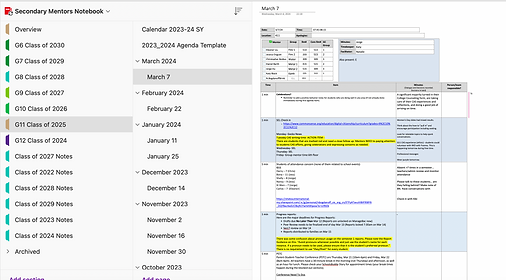
Implementing Student Support Systems within the mentor/mentee calendar: Establishing support systems to address the diverse needs of students. This includes guidance counseling, social-emotional learning programs, mentorship initiatives, and interventions for students who require additional assistance.
-
Fostering a Safe and Inclusive Environment: Ensure that the physical environment is safe, clean, and conducive to learning. Implement and enforce policies and procedures to prevent bullying, harassment, and discrimination. Promote a culture of inclusivity that values diversity and celebrates individual differences.
-
Providing awards presentations: Developing awards ceremonies to celebrate graduating students, honor & high honor roll, Team sports & Individual recognition, SIS Mission award, IB learner profile, SIS Growth mindset, Robert Dunseth Leadership and Academic Scholarship, and EARCOS global citizen award.
-
Leading by Example: Model the behaviors and values that promote a safe, caring, and healthy school environment. Demonstrate empathy, integrity, and a commitment to continuous improvement. Encourage staff and students to emulate these qualities. These behaviors are discussed during the Grade Level morning mentor meetings occuring once every two weeks.
-
Developing Positive Relationships: Encouraging positive relationships among all stakeholders, including students, teachers, support staff, parents, and the community. Foster an inclusive and welcoming atmosphere where everyone feels valued, respected, and heard.
How does an effective leader provide coherent systems of academic and social support, services, extracurricular activities, and accommodations to meet the range of learning needs of each student?
As an effective leader, Natalie meets with stakeholders to establish systems of academic and social support as part of the adopted school plan. This committee has oversight on how the budget is allocated and spent to ensure that the needs of all students are being met in alignment with the school plan. This is evident in meeting minutes and the school plan.
Additional evidence of systems of support are:
-
Differentiated Instruction: Promote differentiated instruction in classrooms to accommodate the diverse learning needs of students. Encourage teachers to cater to individual students' strengths, interests, and learning styles.
-
Extracurricular Activities: Offer a wide range of extracurricular activities that cater to various interests and talents. These activities can provide opportunities for students to explore their passions, develop social skills, and enhance their overall well-being.
-
Parental Involvement: Engage parents in the process of supporting their child's learning needs. Provide resources, workshops, and opportunities for parents to collaborate with teachers and support staff. Encourage open lines of communication to ensure a unified approach to student support.
-
Utilize Technology: Leverage technology tools and resources to support students' learning needs. This can include educational software, assistive technology, online resources, and virtual learning platforms. Ensure accessibility and provide necessary training for students and teachers.
-
Monitor Progress and Adjust: Regularly monitor students' progress and evaluate the effectiveness of support systems and accommodations. Use assessment data, feedback from teachers and parents, and student outcomes to make informed adjustments and improvements.
How does an effective leader plan for uncertainty, risk, and emergencies by creating a risk mitigation plan and making provisions to create a safe and secure environment for students and staff?
Natalie is aware of possible unintended consequences when implementing improvement ideas, and she prepares for all feasible types of risks, makes sure emergency drills are held and students are prepared. Natalie acts as an encourager when things get rough and tries to the best of her ability to alleviate repetitiveness of outside required tasks (reports, presentations, etc.)
Natalie regularly communicates results of the outcomes reached in improvement efforts to all stakeholders.
-
Collaborative Planning: Involve key stakeholders, such as staff, parents, local emergency services, and community organizations, in the planning process. Collaboratively identify potential risks, develop strategies, and establish clear roles and responsibilities for each stakeholder in emergency situations.
-
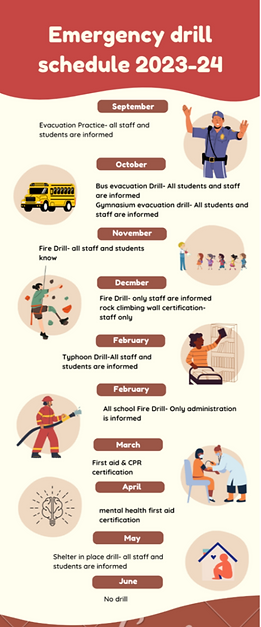
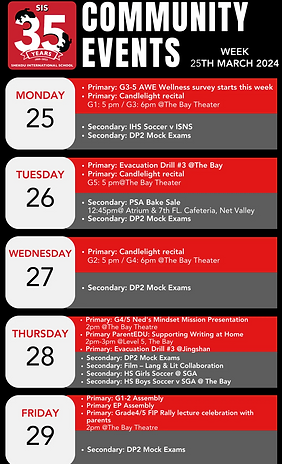
Emergency Drills and Training: Conduct regular emergency drills to familiarize students and staff with emergency procedures. Train them on evacuation protocols, first aid, CPR, and other necessary skills. Provide ongoing training to staff on emergency response, crisis management, and psychological support.
-
Safety and Security Measures: Implement appropriate safety and security measures to mitigate risks. This can include installing security cameras, access control systems, alarms, and emergency lighting. Develop protocols for visitor management, lockdown procedures, and secure storage of hazardous materials.
-
Mental Health Support: Recognize the importance of psychological well-being during and after emergencies. Provide access to mental health support services for students, staff, and families. Train staff in trauma-informed practices and establish protocols for addressing the emotional needs of the school community during crisis situations.